
Frontiers in Multidimensional Pattern Formation: Recapping the 2025 Gene Golub SIAM Summer School
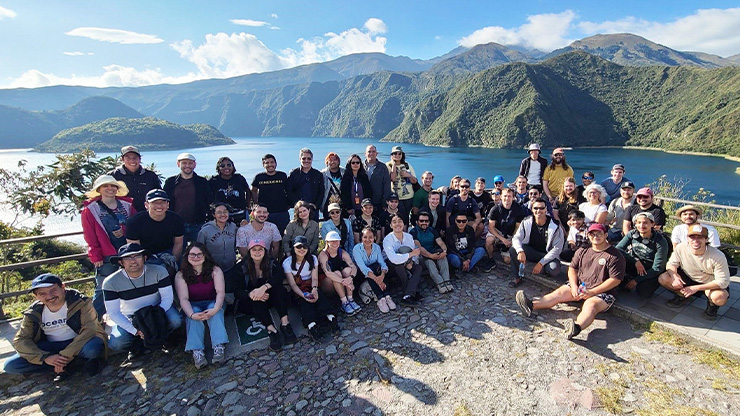
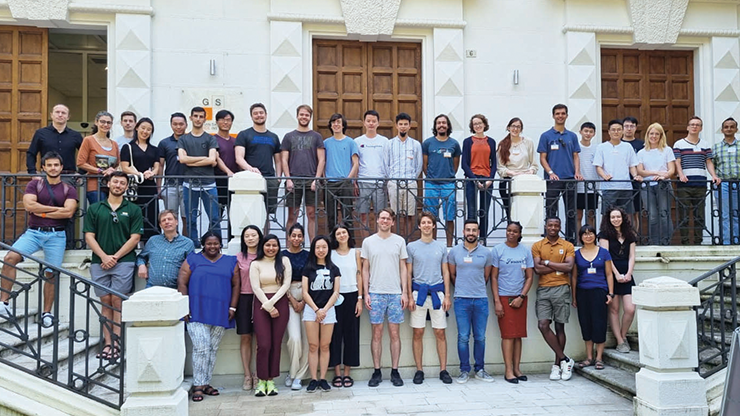
The warm, dry days of late summer in Montréal, Québec, Canada, set the scene for the 2025 Gene Golub SIAM Summer School (G2S3), which took place in August at Concordia University. This year’s school centered on “Frontiers in Multidimensional Pattern Formation,” and an engaging program brought together 41 Ph.D. students and postdoctoral researchers from around the world. During two intensive weeks of coursework, participants attended lectures on a wide range of topics, including functional analysis, stability theory, scientific computing, computational algebraic geometry, and computer-assisted proofs. The program thus equipped students with a multitude of information while simultaneously providing practical experience as they formed teams to work on joint research problems, which they presented on the final day.
During the first week, four lectures and two hands-on tutorial sessions familiarized attendees with the concepts of existence, stability, and numerical continuation. The opening talk offered an introduction to analytical techniques that prove the existence and stability of patterned solutions to partial differential equations (PDEs). Gabriela Jaramillo of the University of Houston spoke about the Lyapunov-Schmidt reduction, center manifold theory, and the method of multiple scales to prove the existence of patterns. Björn de Rijk of Karlsruhe Institute of Technology in Germany, who led the stability portion of the series, then focused on spectral theory of differential operators, exponential dichotomies, and Floquet-Bloch decompositions. David Lloyd of the University of Surrey in England complemented these analyses with an overview of numerical continuation techniques and demonstrations that allowed participants to obtain branches of solutions—such as spatially-extended periodic patterns, fronts, and localized solutions—in the prototypical pattern-forming Swift-Hohenberg equation.
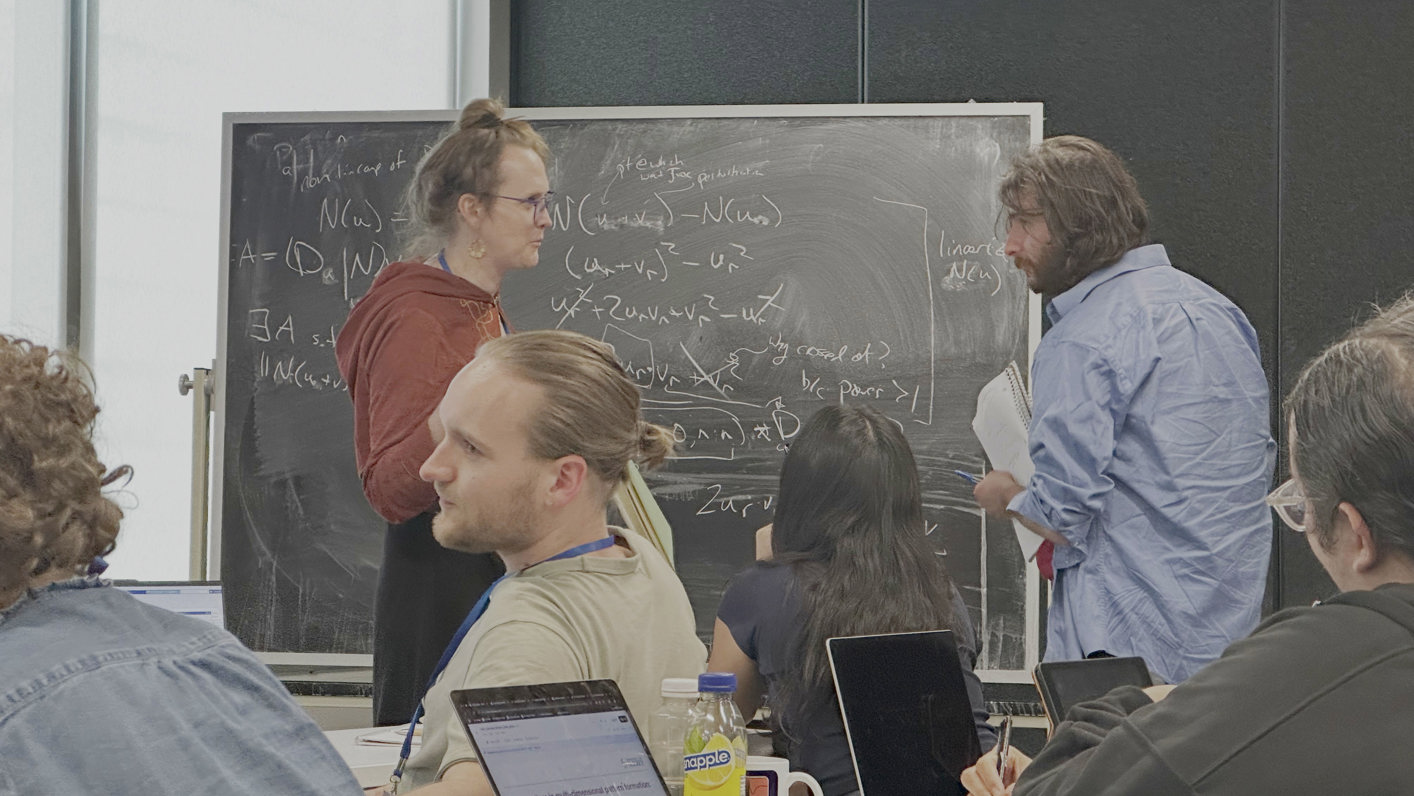
Throughout the accompanying tutorials, students worked in small groups to collectively solve one or two problems from a provided list. These interactions inspired lively dialogues as teams applied new concepts—often from same-day lectures—to their tasks. Each group chose a representative to present their solution, which permitted the entire cohort to engage with and talk about the problems at hand.

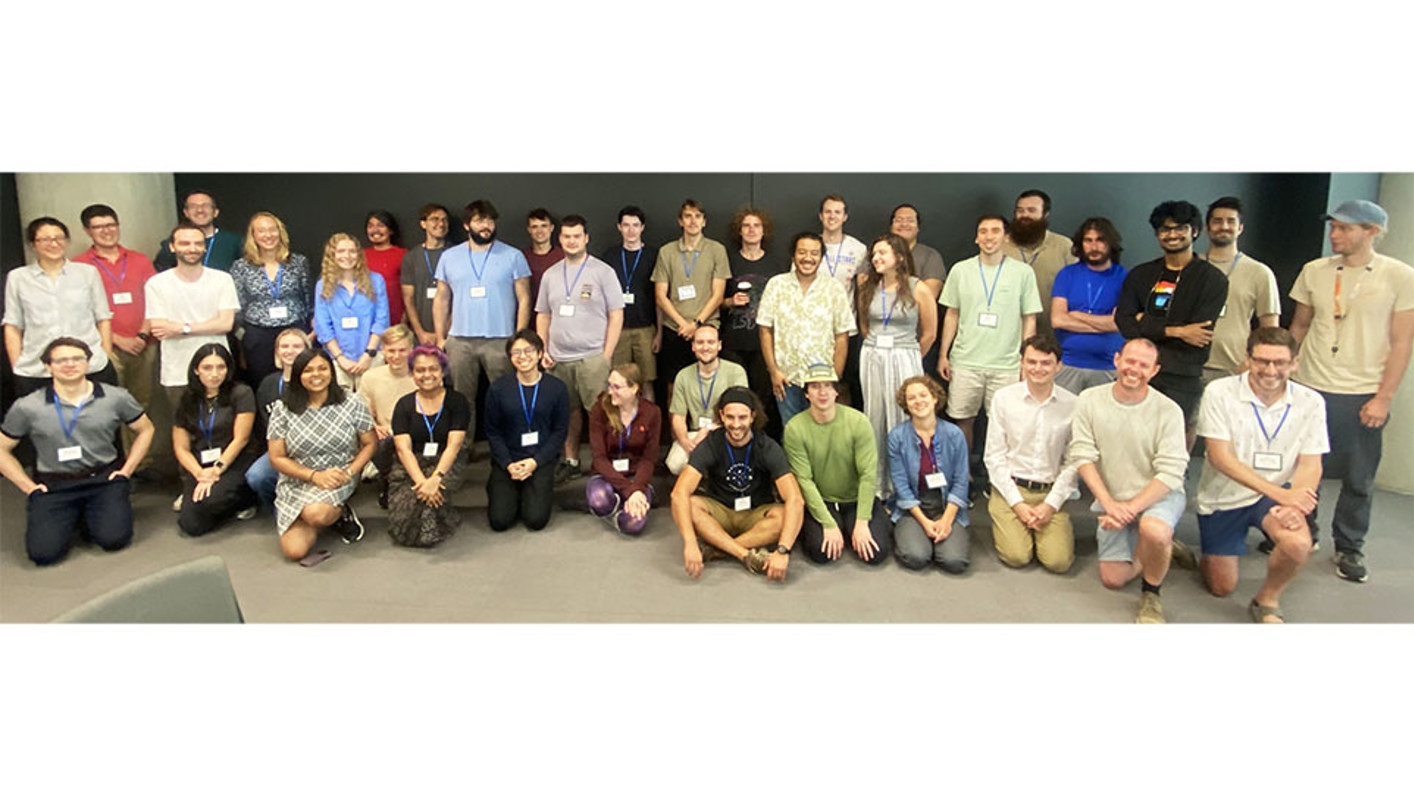
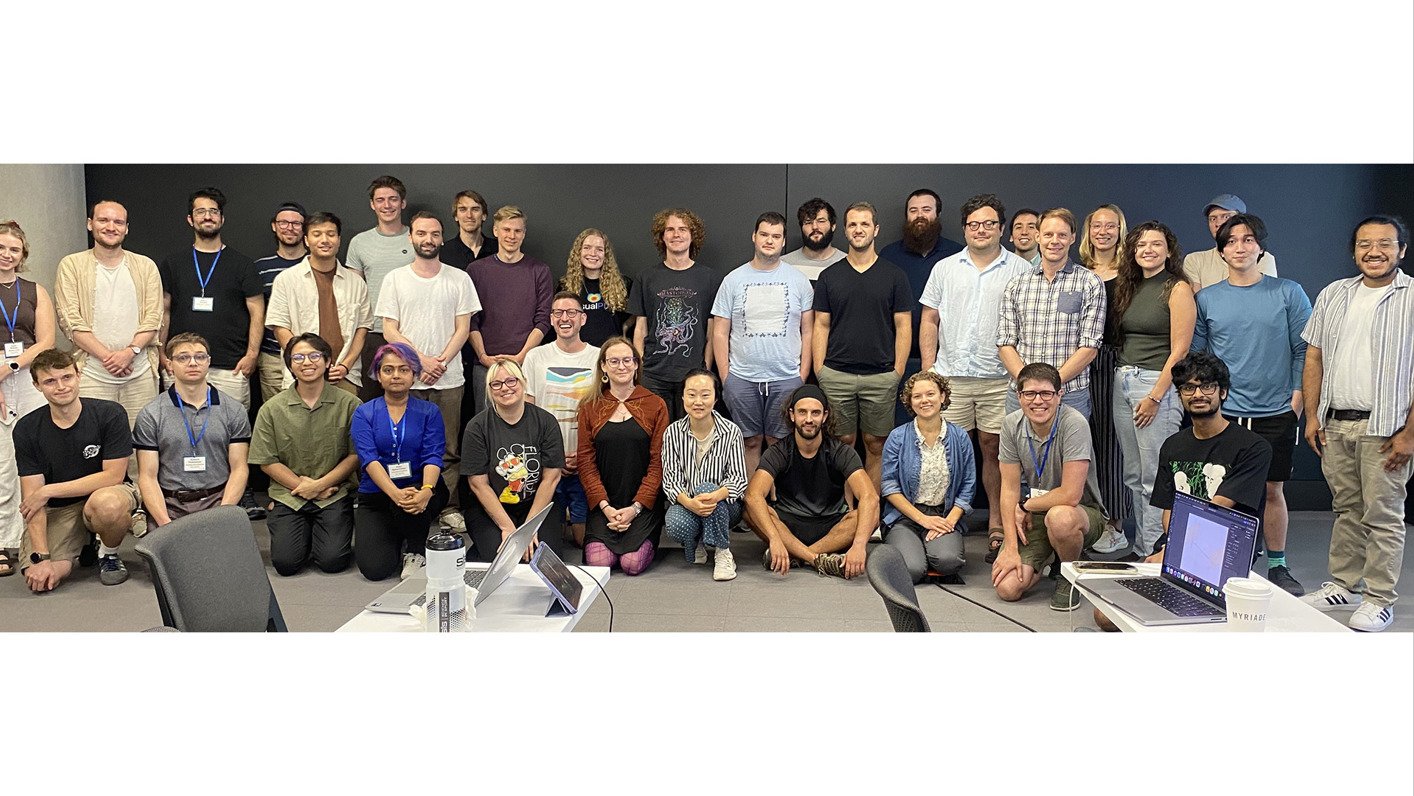
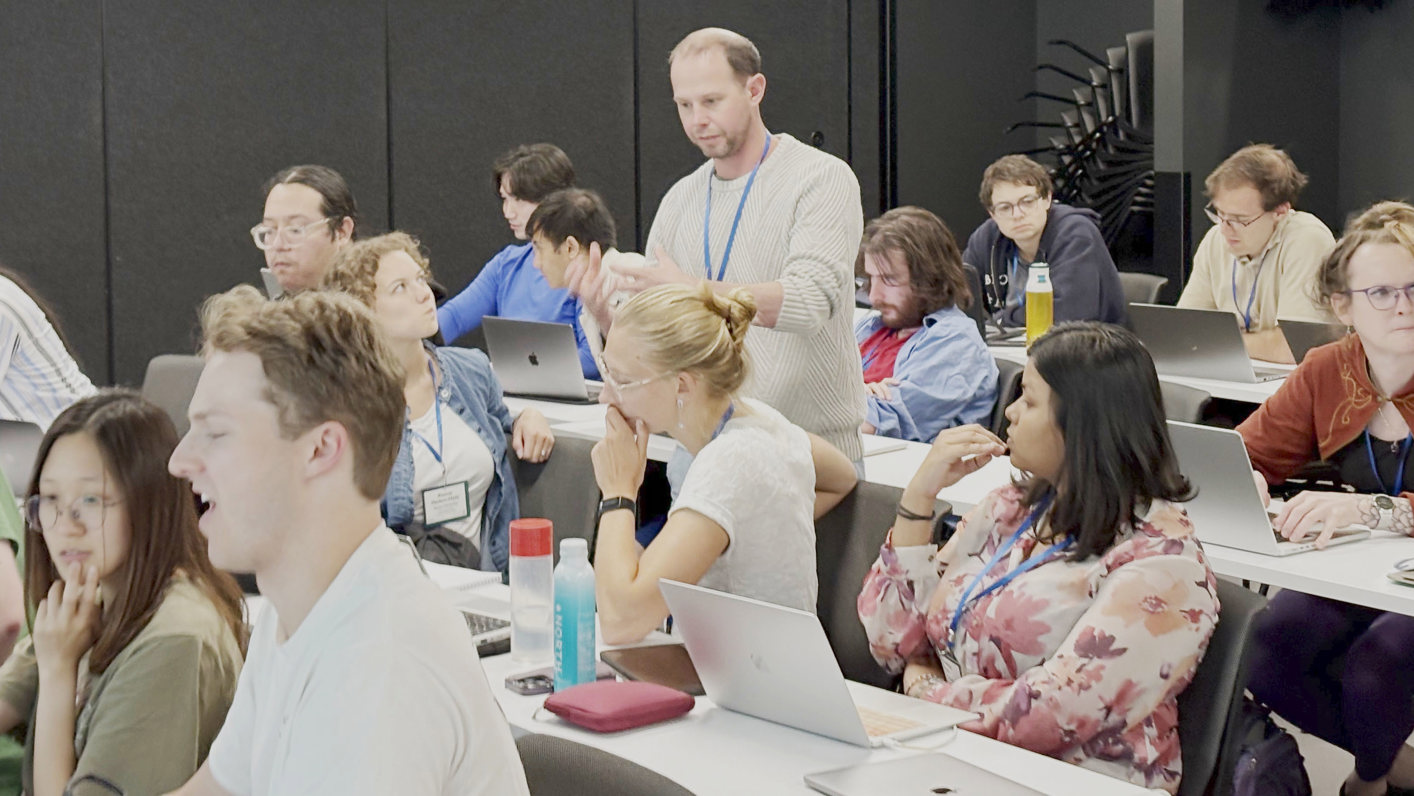
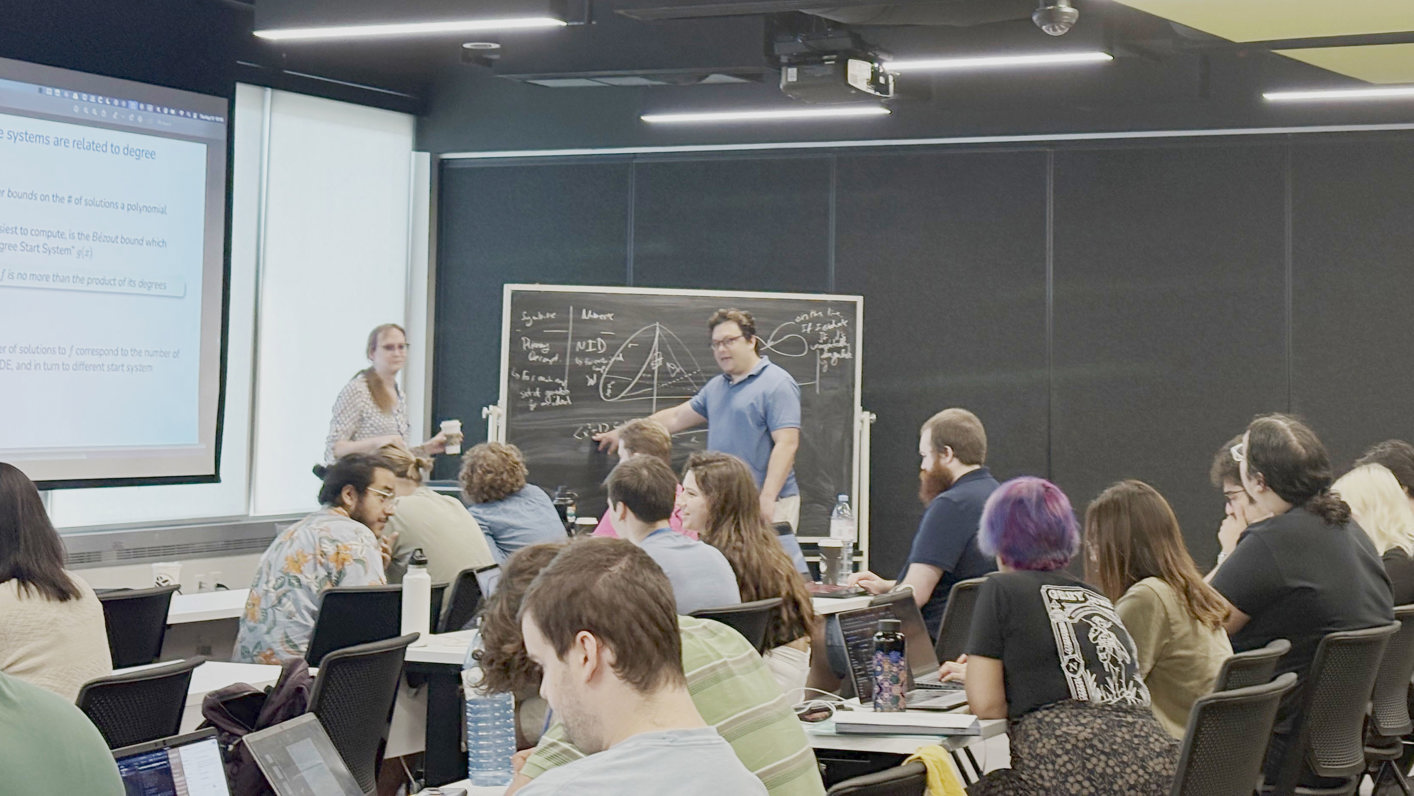
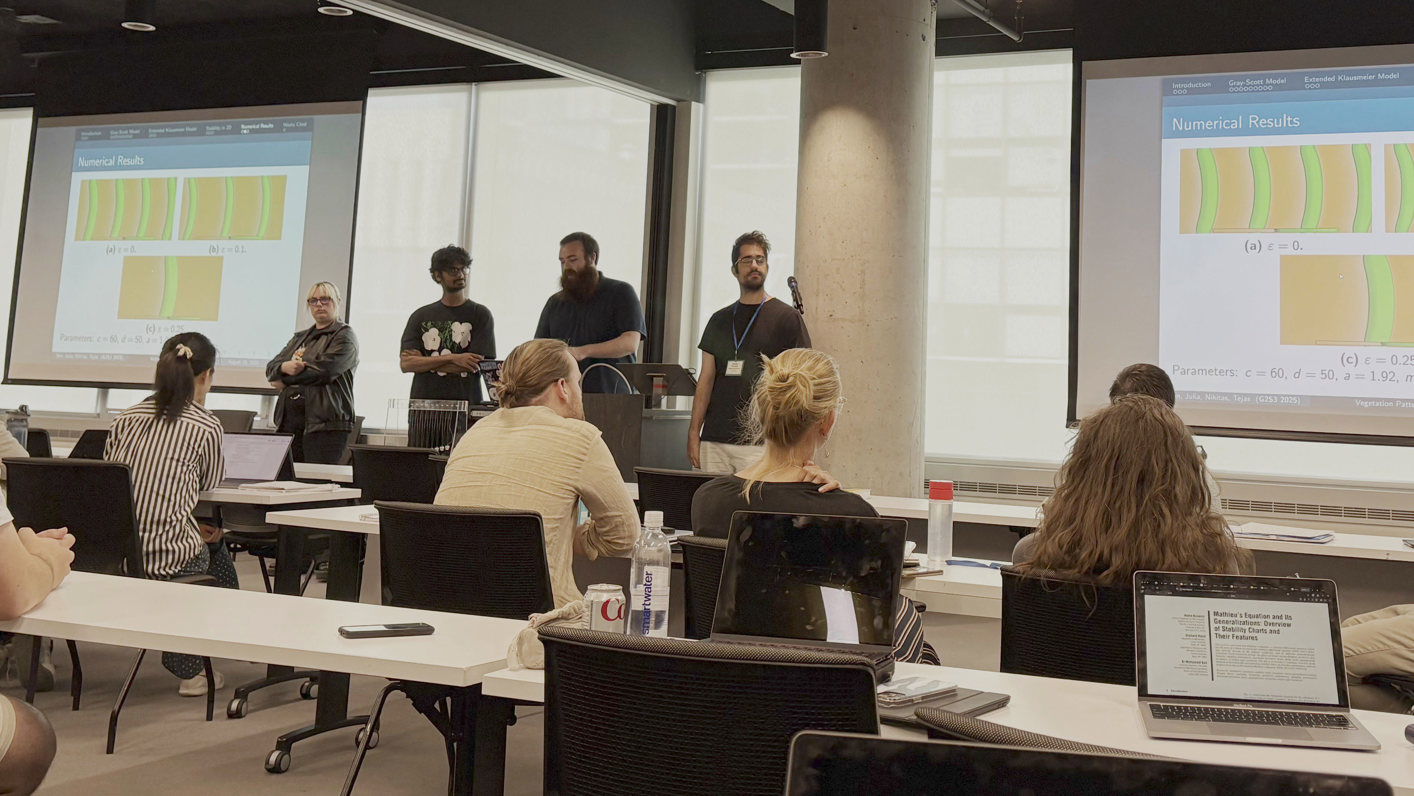
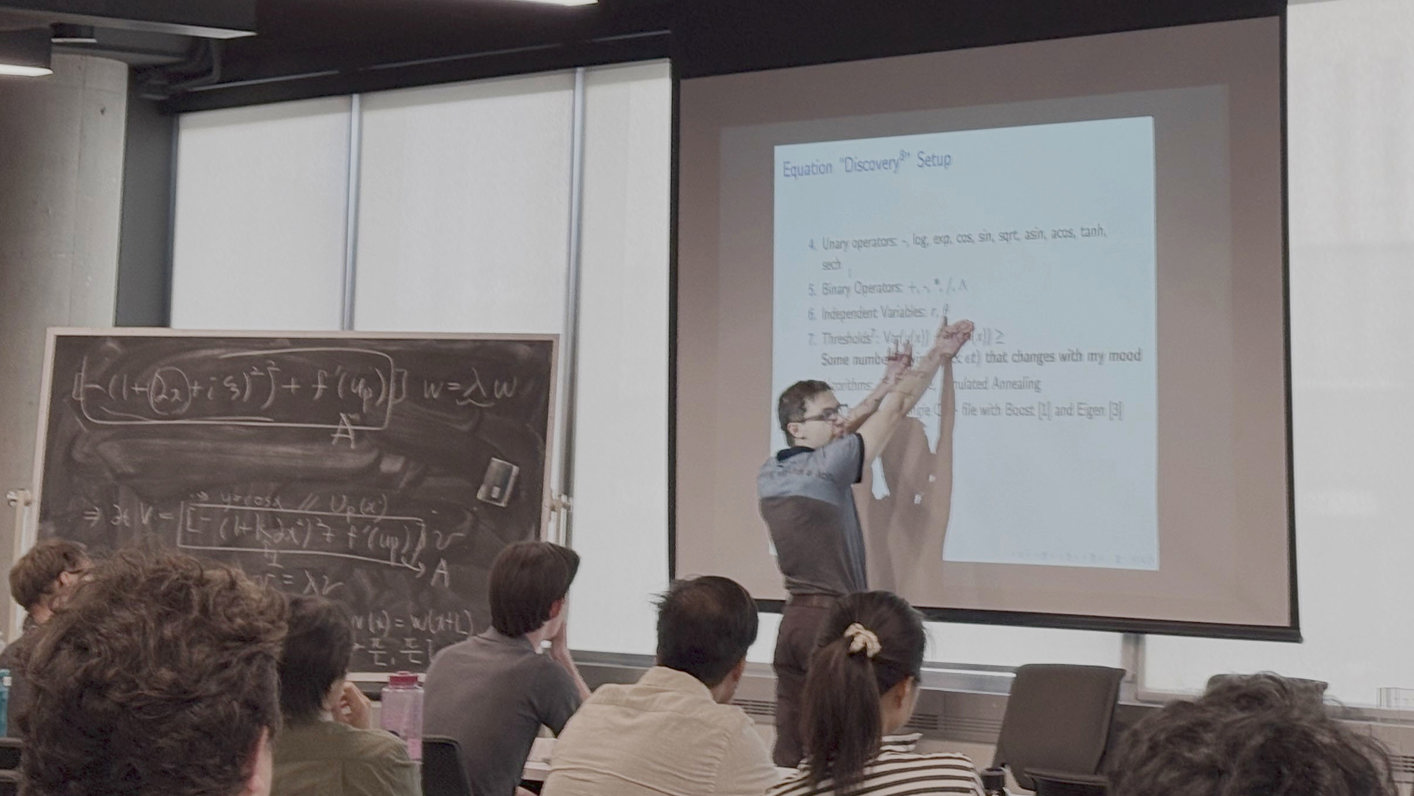
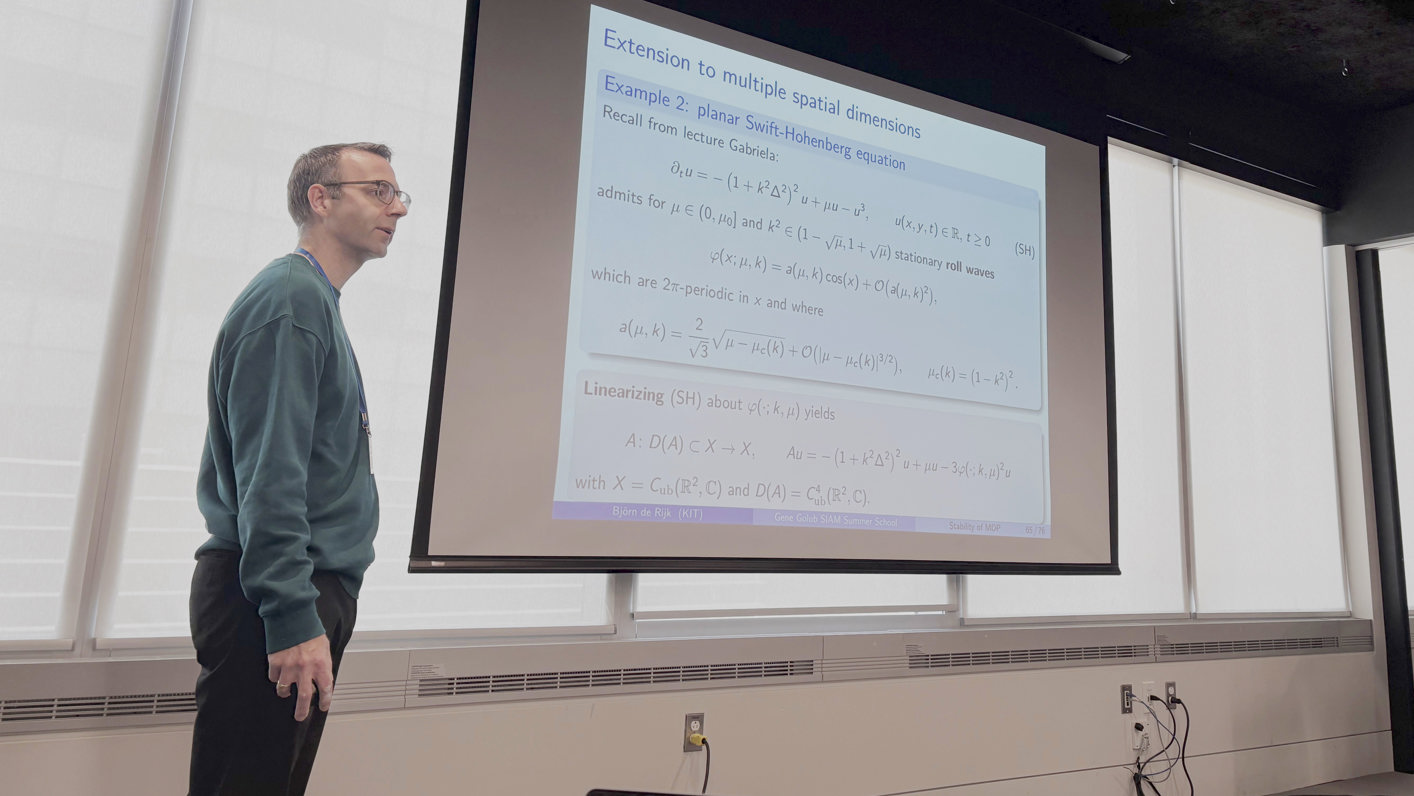
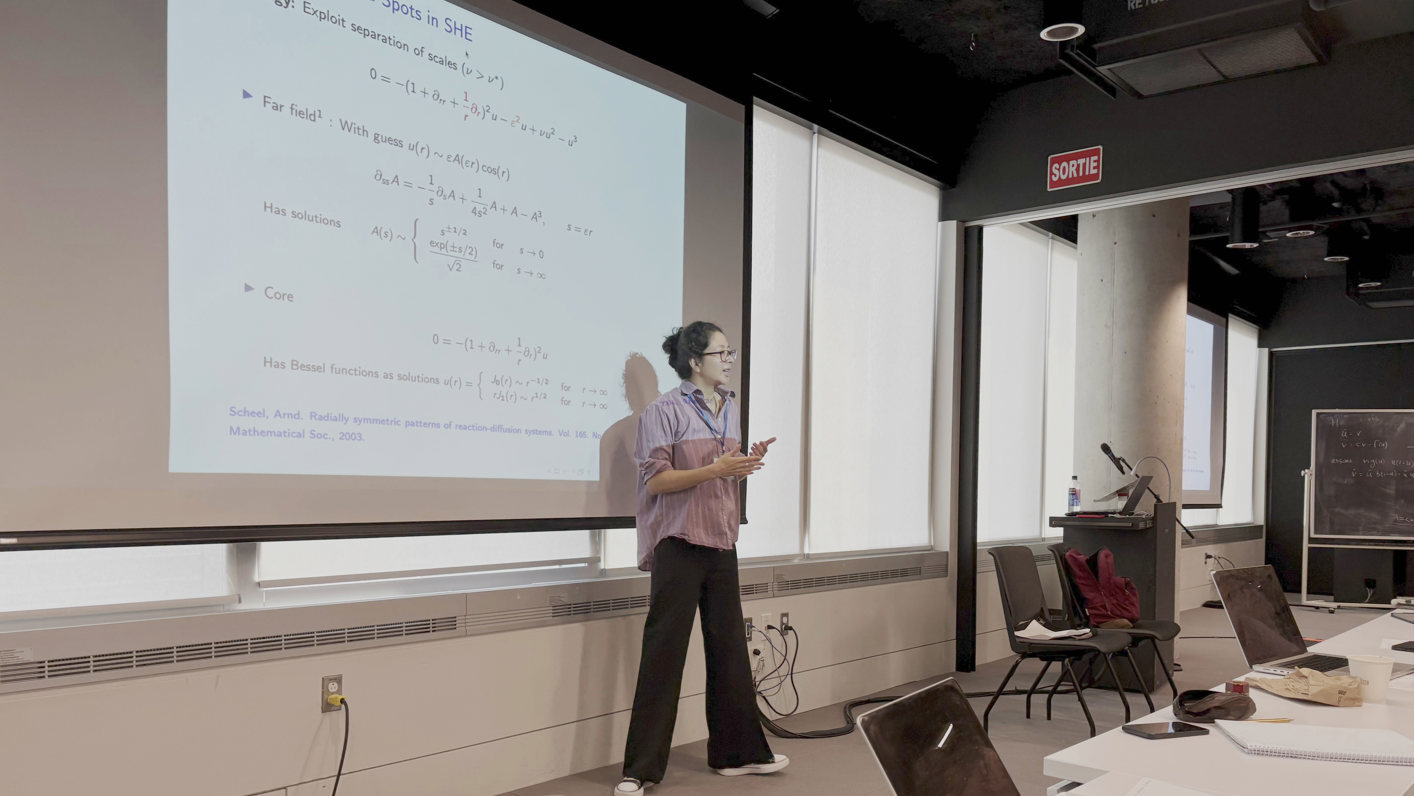
In addition to structured learning sessions, that initial week included dedicated lunch time for mentoring conversations, a social event at a local pub, and a panel discussion about open problems. During the panel, speakers provided their “wish lists” of open problems on three different timetables: those that might be approachable in one to two years, roughly five years, and 10 or more years. Topics included (i) two-dimensional (2D) extensions of operators with desired Fredholm properties; (ii) spectral stability of large amplitude patterns and marginal stability conjecture for pattern selection; (iii) proof of existence for 2D localized hexagons that emerge from Turing bifurcations; (iv) explanations of defects as pattern-to-pattern fronts, starting in one dimension and extending to penta-hepta defects in the 2D Swift-Hohenberg equation; (v) pattern formation on random networks; (vi) spatiotemporal patterns in data; (vii) the determination of center manifolds for nonstationary, spatially-localized patterns; (viii) heterogeneities and boundaries in pattern selection; and (ix) geometric singular perturbation theory for infinite-dimensional systems.
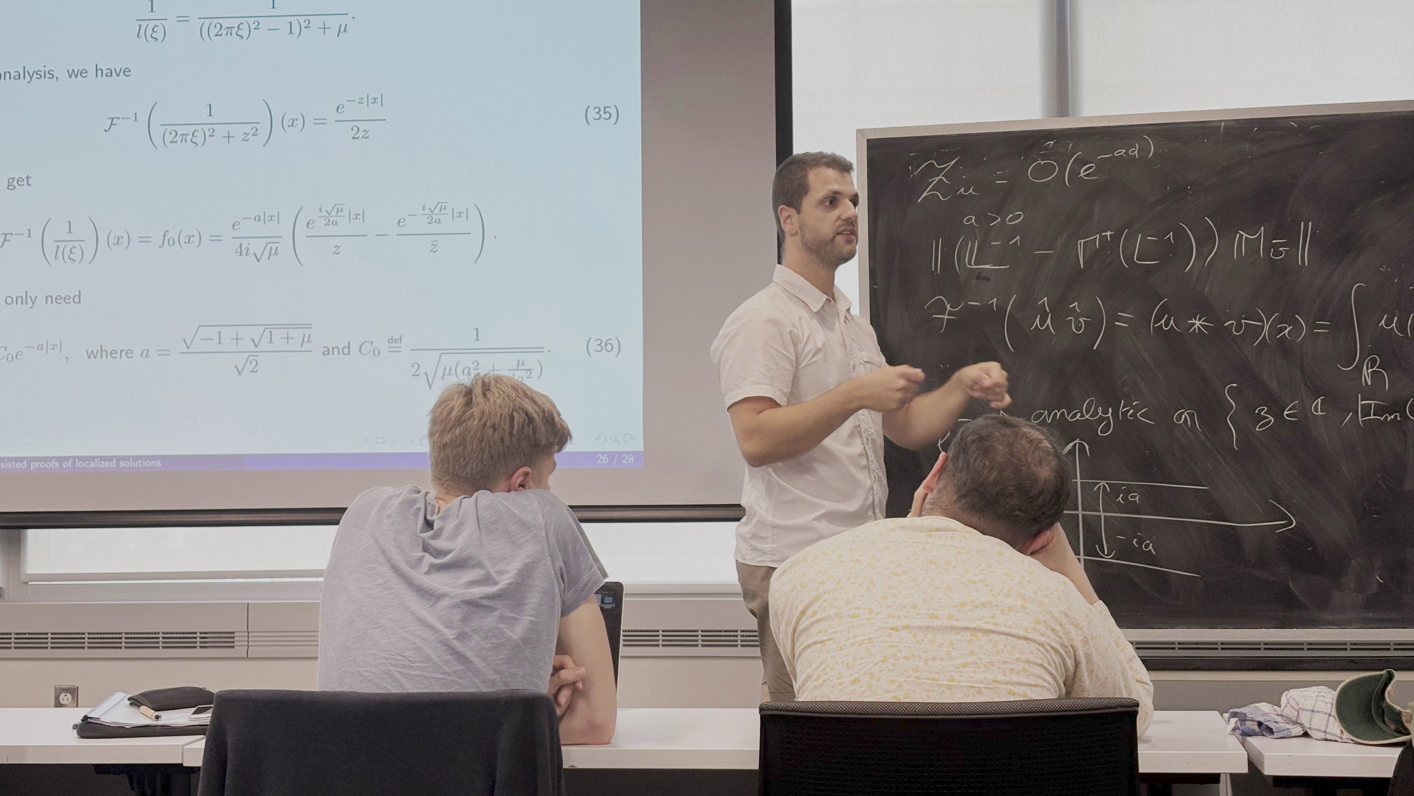
After a restful weekend, the second week of G2S3 explored promising new directions in the study of multidimensional patterns. The curriculum sought to highlight two innovative approaches—computational algebraic geometry and computer-assisted proofs—that build intradisciplinary bridges to emerging areas of applied mathematics with potential relevance to pattern formation. The lectures on computational algebraic geometry—delivered by silviana amethyst of the Max Planck Institute of Molecular Cell Biology and Genetics in Germany and Joseph Cummings of the University of Edinburgh in Scotland—began with the language of algebraic varieties and established the framework of numerical algebraic geometry, ultimately providing a working example in the form of a coral growth model. Jean-Philippe Lessard of McGill University in Canada and Matthieu Cadiot of École Polytechnique in France oversaw the course on computer-assisted proofs, which introduced ideas of interval arithmetic and finite-dimensional ordinary differential equations before tackling infinite-dimensional PDEs. Specific demonstrations highlighted recent efforts to prove the existence of localized stationary patterns in the Swift-Hohenberg equation in one and two spatial dimensions.
As in the first week, carefully designed tutorials complemented the lectures and stimulated dialogue among the entire cohort. At the end of the second week, the seven lecturers formed a panel to discuss open problems and future research directions. Some of the key conversation topics were as follows: (i) the analysis of dynamics of PDEs beyond equilibria, (ii) manifold calculations for PDEs, (iii) Cauchy problems for PDEs, (iv) the certification of singular solutions, (v) the extension of computer-assisted proofs to multidimensional patterns with multiple length scales, (vi) the application of such methods to prove the existence of solution branches or bifurcations, and (vii) their adaptation to handle nonlocal operators.
Afternoons in the latter half of the program were dedicated to group work, during which participants collaborated on their chosen projects and engaged in meaningful discourse with each other, lecturers, and organizers. The 2025 iteration of G2S3 culminated in group presentations and the collective sharing of progress and insights.
Overall, we are immensely proud of the participants’ dedication and the high quality of their presentations, which showcased both their hard work and thorough comprehension of the material. We are confident that the summer school successfully summarized current challenges and state-of-the-art methods in the analysis and computation of multidimensional patterns, and we hope that it has inspired participants to utilize their newfound enthusiasm to achieve future breakthroughs in this exciting research area.
The 2026 Gene Golub SIAM Summer School on “Fault-tolerant Algorithms in Quantum Computing” will take place at Duke University in Durham, NC, from July 27 to August 7, 2026. More information—including application instructions—is available on the G2S3 webpage. Registration closes on March 1.
Interested in organizing a future school? Letters of intent that propose topics and organizers for the 2027 iteration of G2S3 are due to Richard Moore, SIAM’s Director of Programs and Services, at programs@siam.org by January 31. Visit the G2S3 webpage to learn more.
About the Authors
Jason Bramburger
Assistant professor, Concordia University
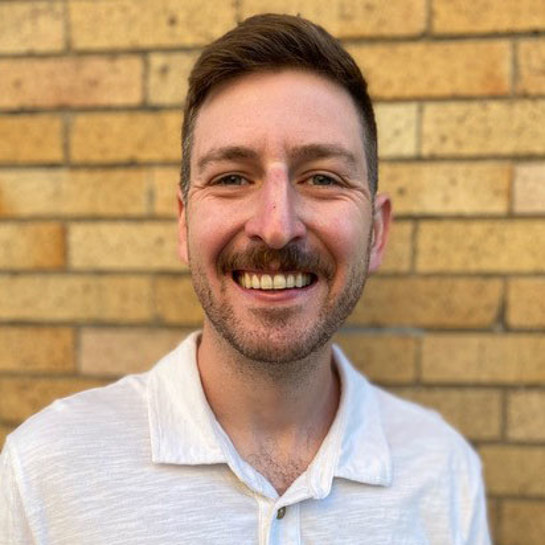
Jason Bramburger is an assistant professor of mathematics at Concordia University in Canada. His research focuses on dynamical systems in the context of pattern formation, wave propagation, spatiotemporal chaos, and data science.
Ryan Goh
Assistant professor, Boston University
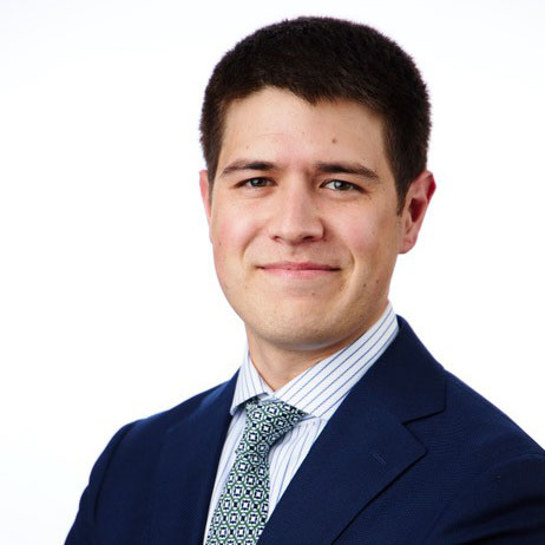
Ryan Goh is an assistant professor of mathematics at Boston University. His research explores mathematical approaches to pattern formation in nature, with applications that include vortices in rapidly-rotating fluids, embryogenesis, materials science, and chemical reactions.
Priya Subramanian
Senior lecturer, University of Auckland in New Zealand
Priya Subramanian is a senior lecturer at the University of Auckland in New Zealand. She holds a Ph.D. in aerospace engineering, and her research seeks to identify minimal mechanisms that enable the emergence of multidimensional spatiotemporal patterns with desired properties across diverse physical systems.

Related Reading

Stay Up-to-Date with Email Alerts
Sign up for our monthly newsletter and emails about other topics of your choosing.